


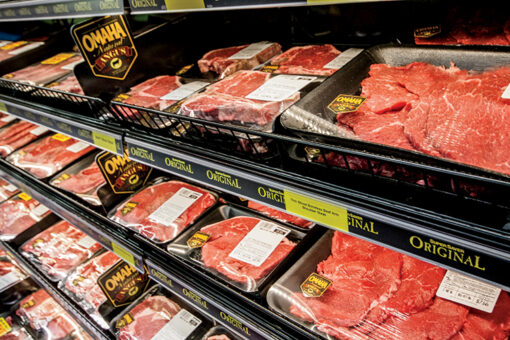
Fresh meat is a high-value product category in retail, accounting for 30–40% of revenue in the food section of many supermarkets. Preserving and displaying fresh meat is always a major challenge because the products are highly perishable, prone to bacterial contamination, and directly affect customer trust. In a context where consumers increasingly prioritize food safety…
21
Oct
Oct
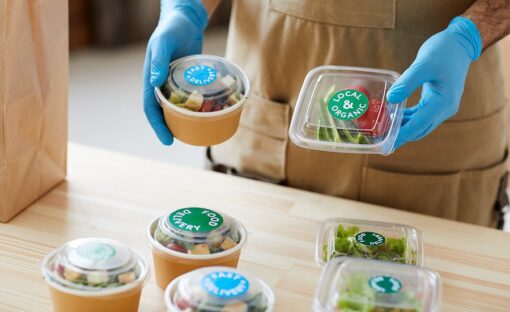
The global food industry is entering a period of profound transformation, where packaging is no longer just a protective layer but also a tool for interaction, monitoring, and safety assurance. The emergence of smart packaging—integrating technologies such as temperature sensors, freshness indicators, and QR codes for traceability—is redefining the way businesses and consumers perceive packaging….
21
Oct
Oct
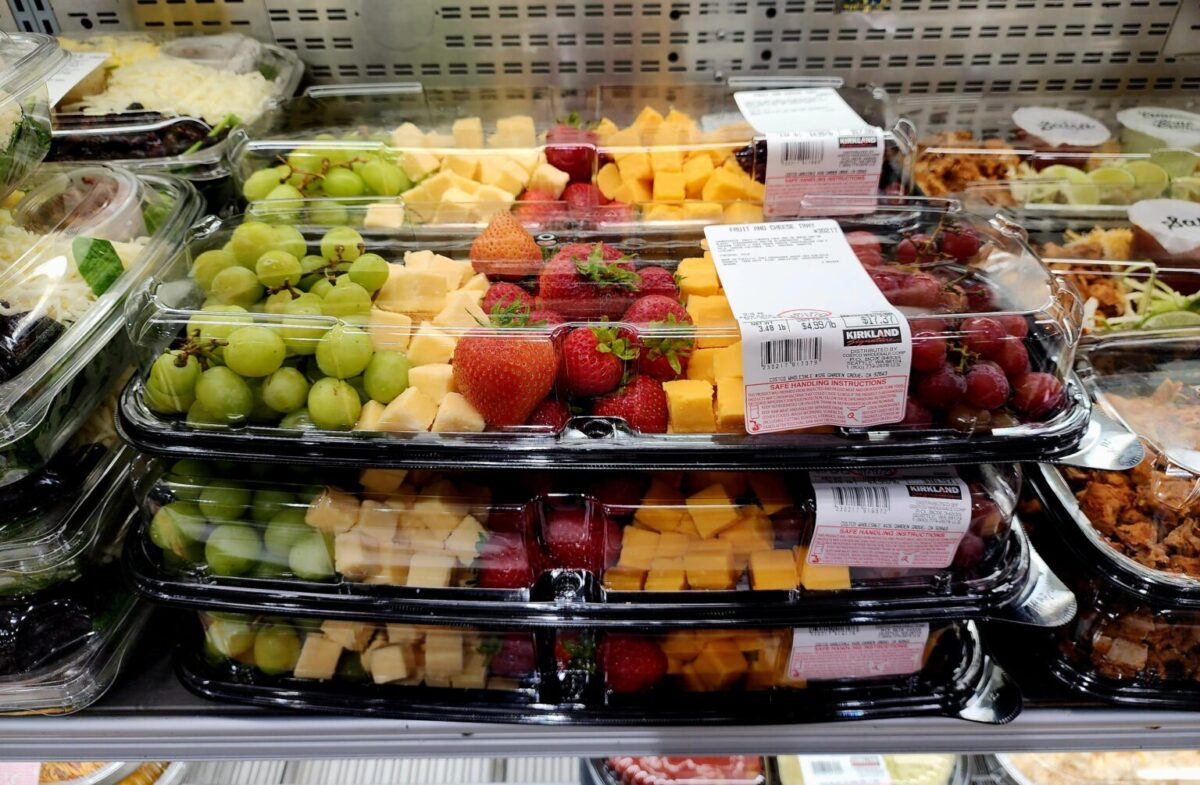
In the food retail industry, packaging transparency is just as important as product quality. Today’s consumers want to clearly see the food they buy – from color and freshness to presentation on the supermarket shelf. However, fogging often occurs when high-moisture foods (such as meat, fish, sushi, and fruits) are stored in cold conditions, causing…
21
Oct
Oct
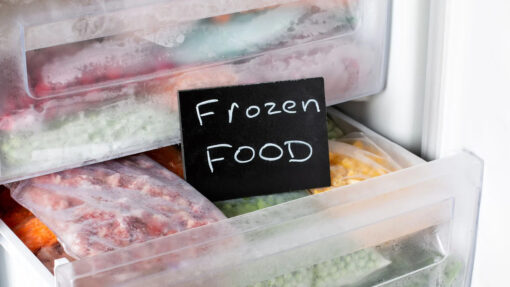
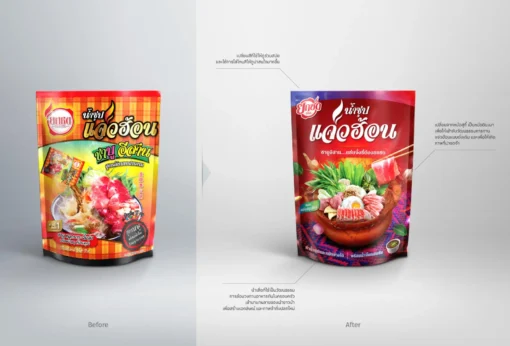
Seafood export is one of the key pillars of Vietnam’s economy, reaching over USD 9 billion in 2023 (VASEP, 2024). However, due to its perishable nature, seafood requires strict preservation processes from harvesting and processing to international transportation. Here, cold chain logistics and packaging become strategic, complementary elements to ensure quality, food safety, and brand…
21
Oct
Oct
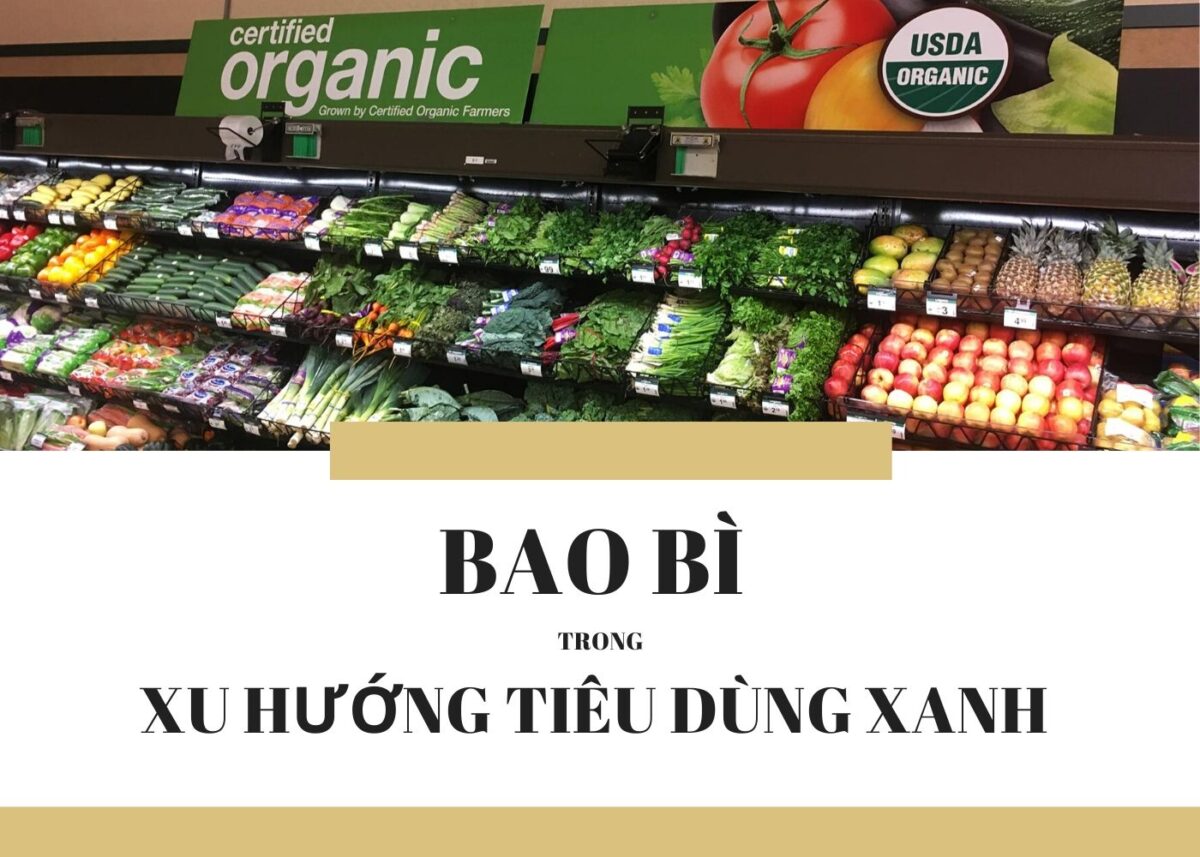
Southeast Asia and China are the world’s “production hubs” for packaging, where supply chains for food, FMCG, and e-commerce are growing rapidly. Within this landscape, Vietnam, Thailand, and China both cooperate and compete across multiple aspects: market size, production costs, workforce skill, international standards, and environmental policies. Understanding the relative positions of these three countries…
21
Oct
Oct
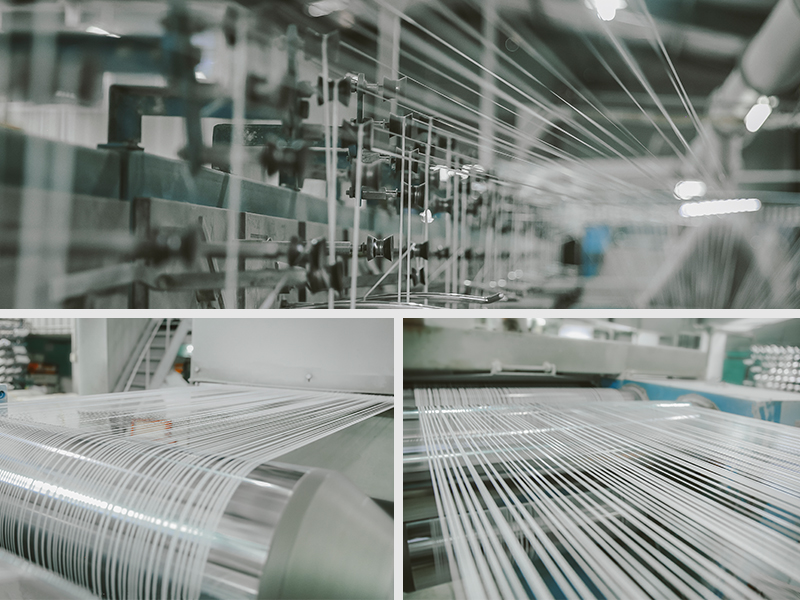
In today’s food packaging industry, the three most commonly used plastics are PET (Polyethylene Terephthalate), which is transparent and recyclable; PP (Polypropylene), which has high heat resistance; and PS (Polystyrene, including EPS – Expanded PS), which is cheap and lightweight but increasingly restricted in many markets. The choice made by supermarkets and manufacturers depends not…
21
Oct
Oct
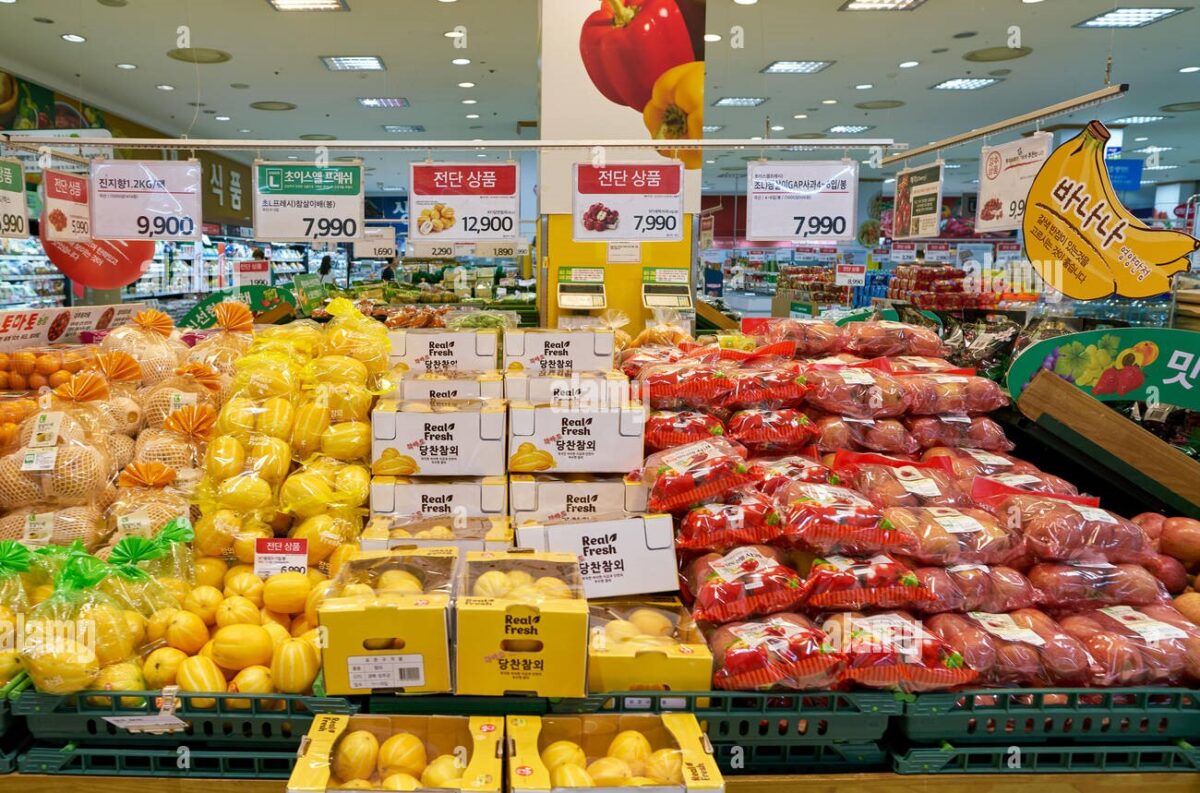
The Vietnamese seafood sector is one of the pillars of the country’s export economy, reaching a turnover of over USD 9 billion in 2023 (VASEP, 2024). However, due to the high water content, perishability, and environmental sensitivity of seafood products, both fresh and frozen seafood require packaging not only for containment but also for preservation,…
21
Oct
Oct
In recent years, Vietnamese fruits have made a strong mark on the global agricultural map. With an export turnover exceeding USD 4.2 billion in 2023, the fruit industry has become one of Vietnam’s key sectors contributing significantly to foreign exchange earnings.However, to conquer demanding markets such as the United States, the EU, Japan, and South…


